Reducing social isolation in schools: a social network analysis of the HOPE bullying prevention program
Sojung Kim, Sungbum Woo, Yul-mai Song, Kyungun Jhung, Jungwon Choi, Young Hee Yang, Young Sook Kwack, Yeni Kim
Child and Adolescent Psychiatry and Mental Health
Network design
Nodes
Two hundred four pupils in grades 4 to 6 who completed both measurement waves across nine South Korean elementary-school classrooms.
Ties
A directed nomination from one pupil to up to 10 same-grade school friends whom the pupil often met outside school, called frequently, or trusted with a secret.
Methods
Pre/post directed network visualization; in-degree and out-degree centrality; baseline low- and high-in-degree groups; and multilevel time, gender, and interaction models.
Source: PubMed Central
Reviewed summary
The HOPE program combined empathy, social-skills, classroom-climate, and active-bystander activities over six weeks. Of 275 pupils enrolled from schools that opted into the intervention, 204 pupils in grades 4 to 6 completed both the baseline and post-program measures across nine classrooms.
Pupils with below-average baseline in-degree received significantly more close-friend nominations after the program, with the increase concentrated among girls. The high-in-degree group did not change significantly, and neither baseline group showed a significant change in outgoing nominations.
SNA
How SNA was used
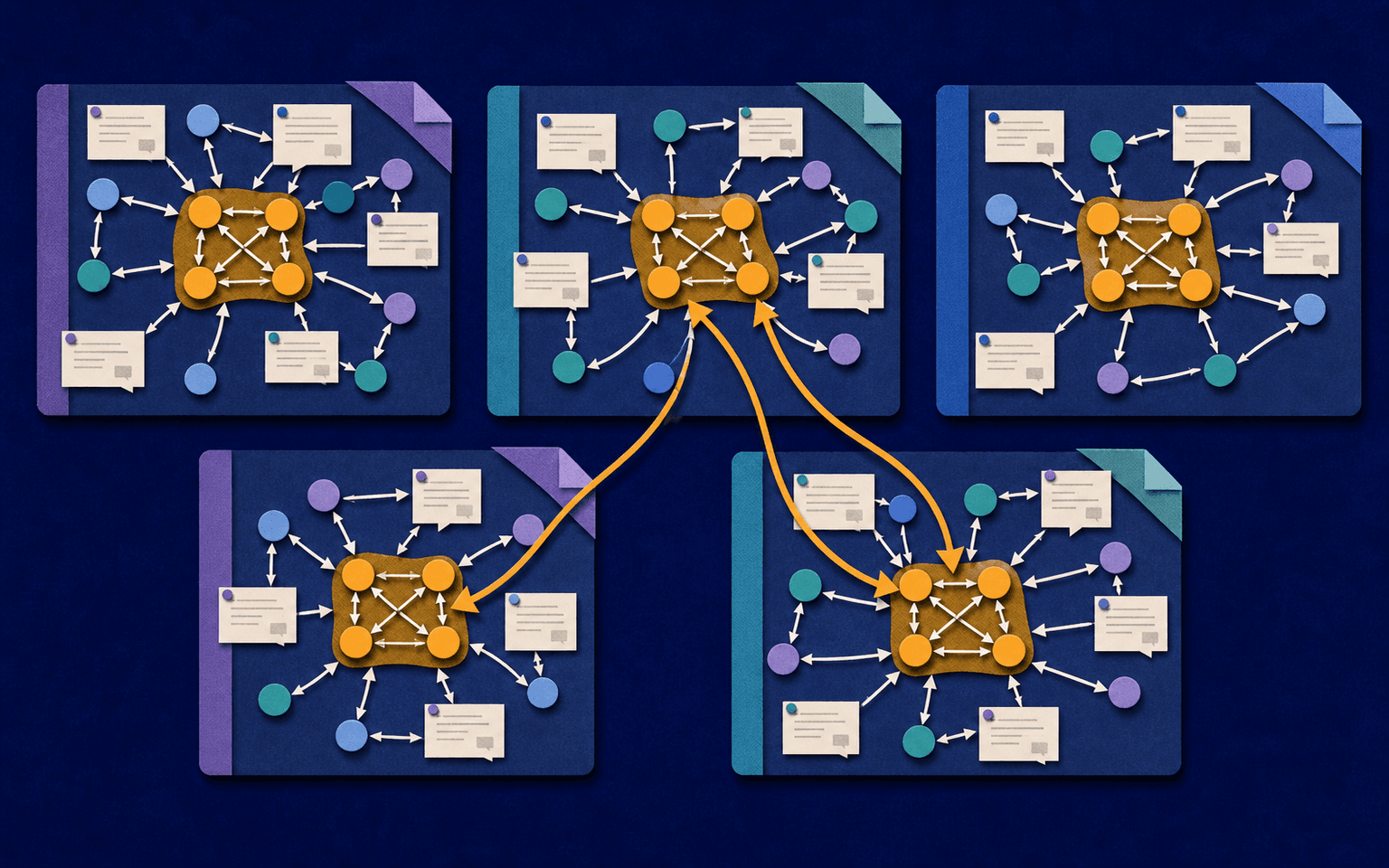
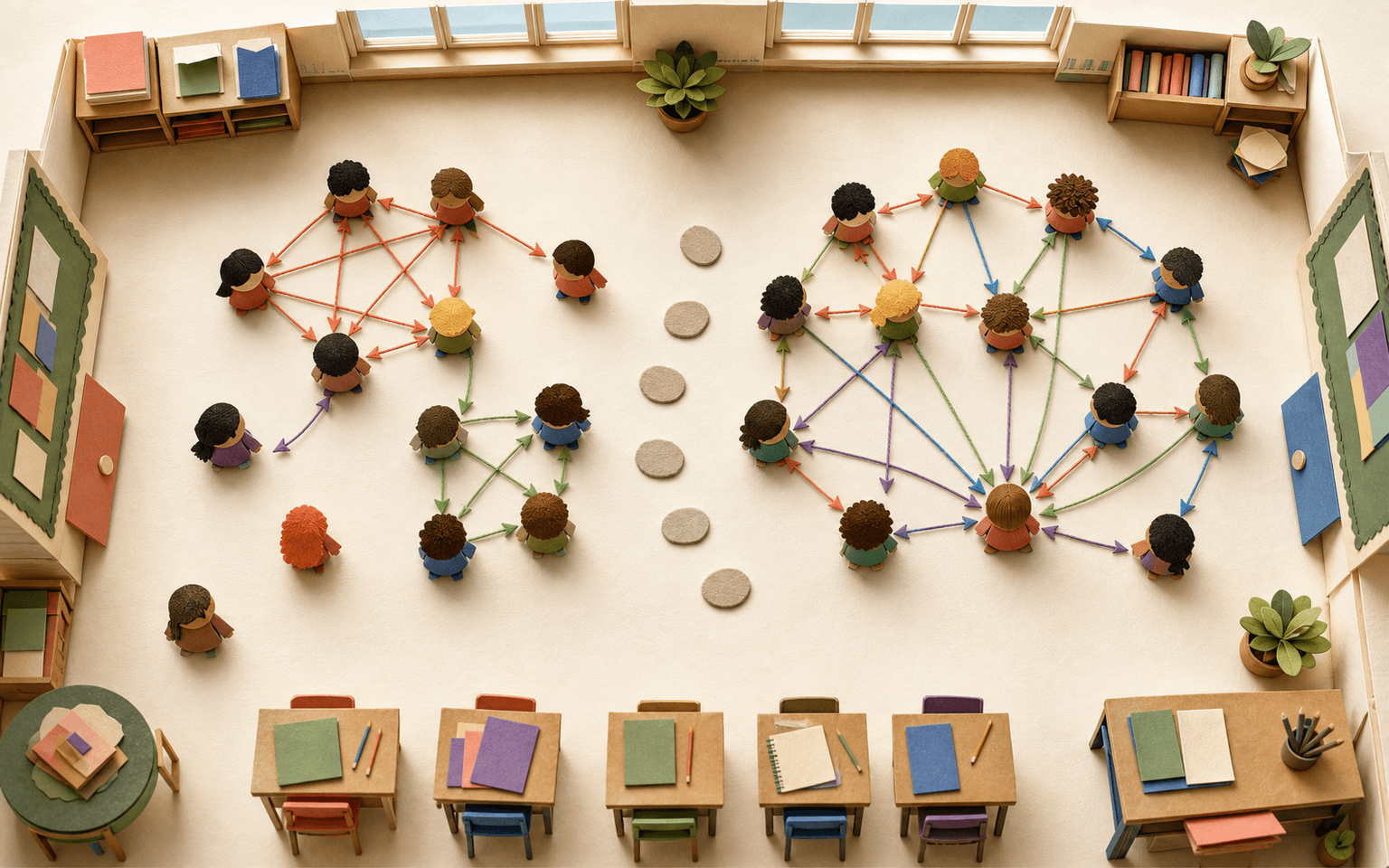
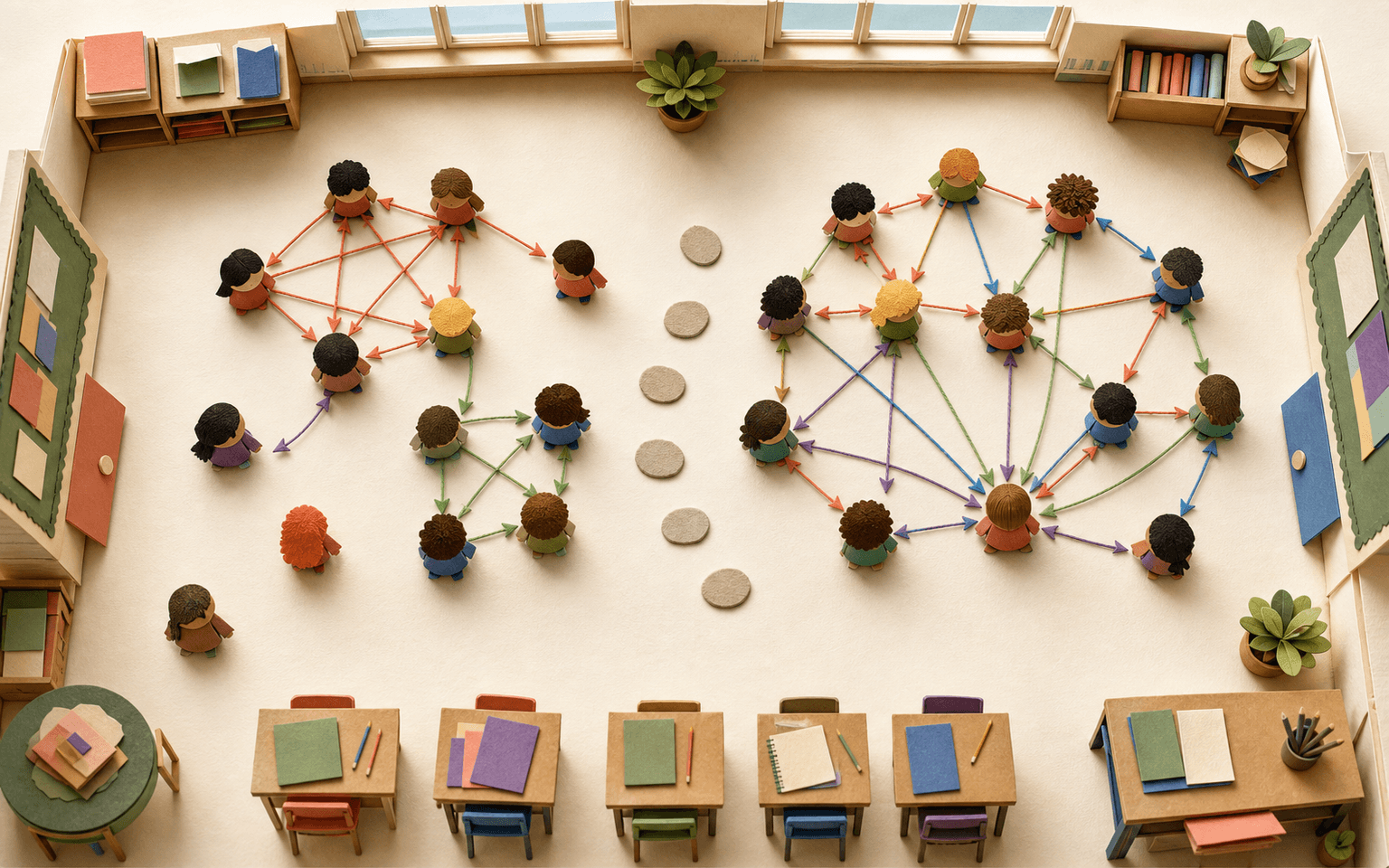
The authors constructed directed peer networks from nominations of up to 10 close friends in the same grade and school. They calculated in-degree and out-degree, visualized nine classroom networks before and after the program, divided pupils by baseline in-degree, and used multilevel models with repeated observations nested within pupils to test time, gender, and their interaction.
Source
Child and Adolescent Psychiatry and Mental Health, 20, Article 45
DOI: 10.1186/s13034-026-01032-5