Rich clubs and engagement in online discussions: Implications for participatory learning design
Priya Sharma, Minkyung Lee
Journal of Computing in Higher Education
Network design
Nodes
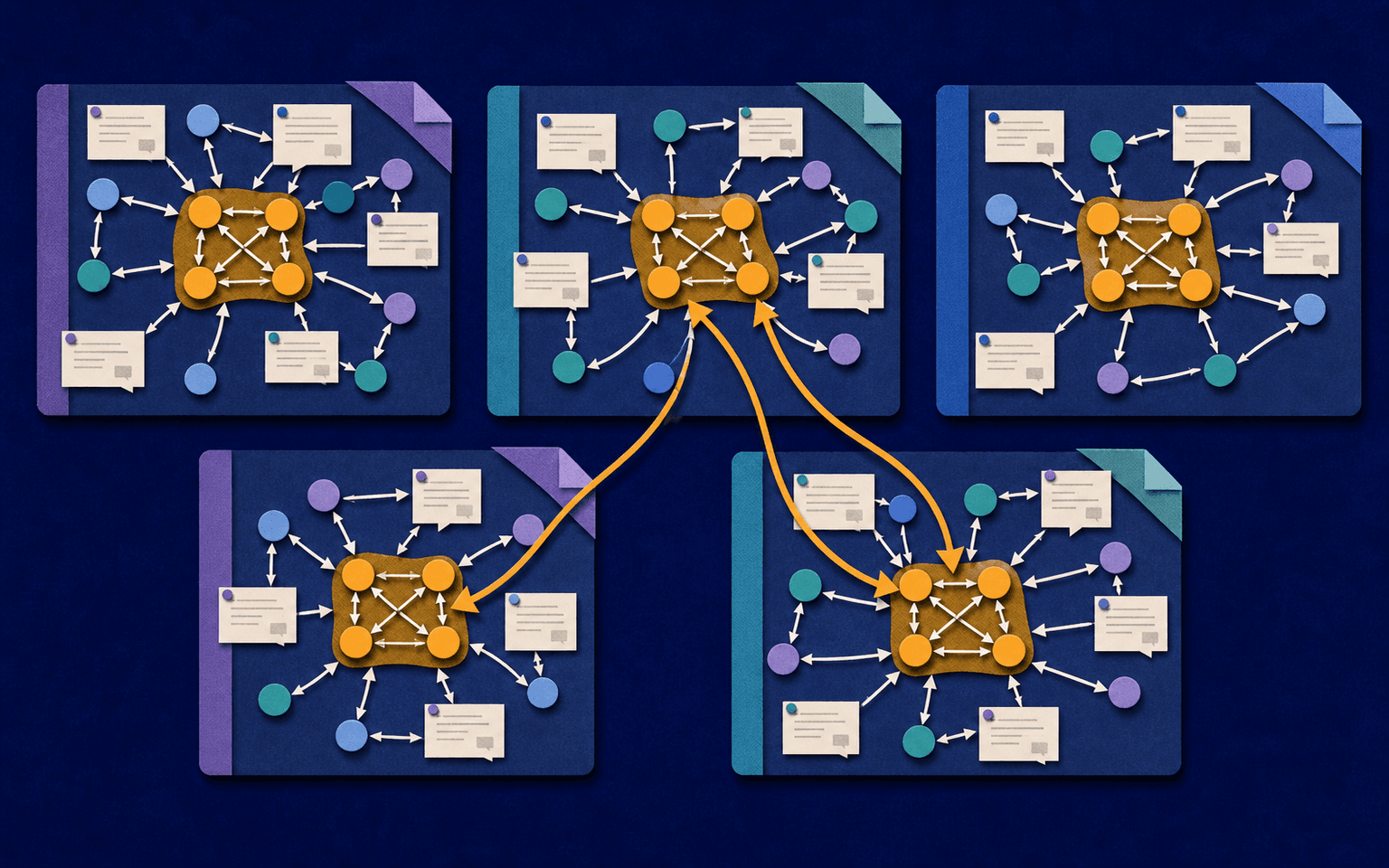
Students enrolled in each of five asynchronous undergraduate communication courses, analyzed as five separate networks of approximately 24 to 50 actors.
Ties
A directed reply or mention from one student to another during the course discussion boards, weighted by the frequency of recorded interaction across the semester.
Methods
Separate directed weighted adjacency matrices; degree, weighted degree, centrality, modularity visualization, and normalized rich-club coefficients in Gephi and R; plus Henri-based cognitive and interactive discourse coding with Cohen's kappa of 0.79 on the reliability subset.
Source: Journal of Computing in Higher Education
Reviewed summary
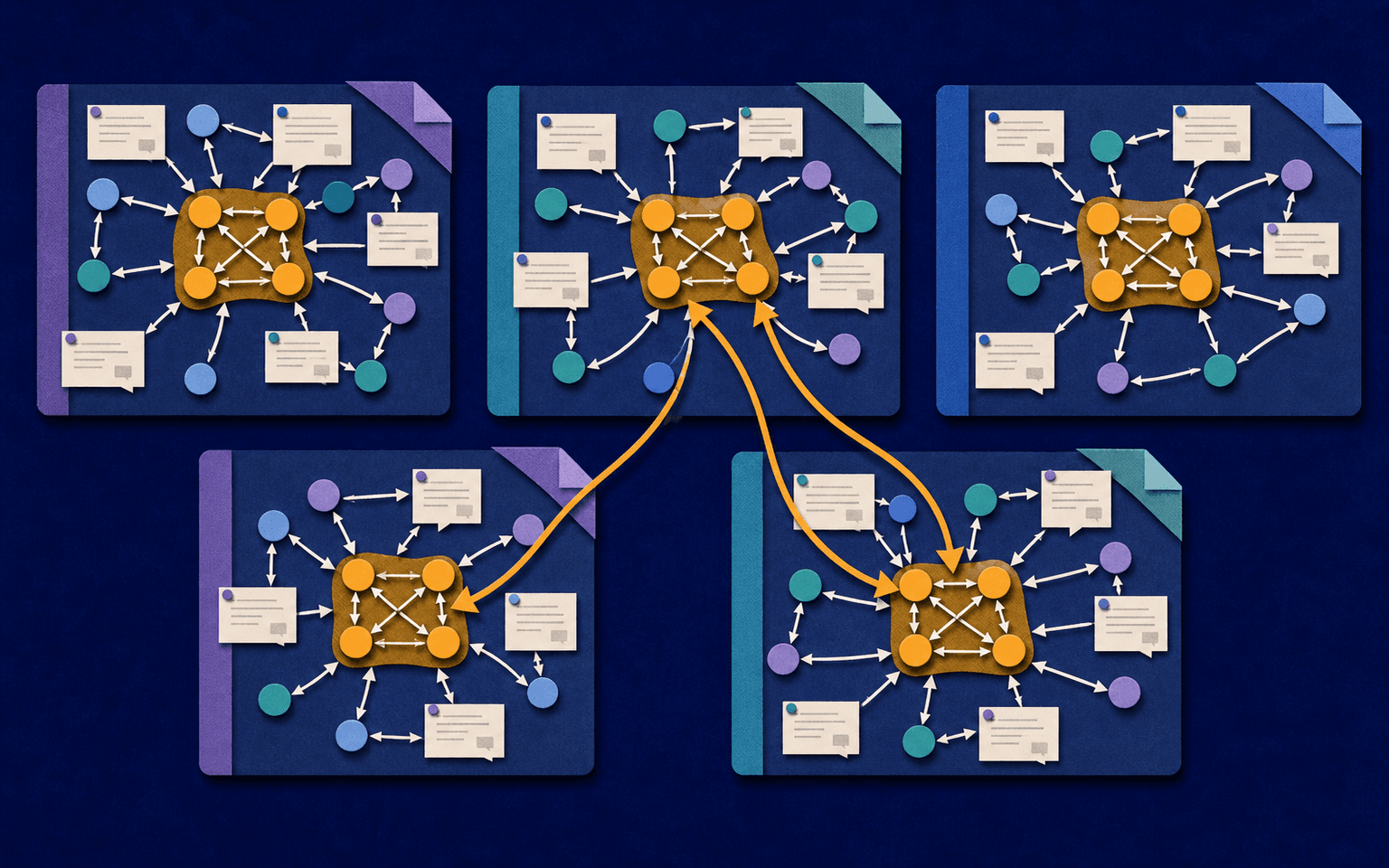
The researchers examined three sections of a 200-level communication course and two sections of a 100-level course. Each course enrolled about 24 to 50 students, used graded structured discussion boards, and left the discussions to students rather than instructor participation. Posts, replies, and mentions across the semester supplied approximately 3,000 records for five separate course networks.
All five networks contained highly active students who were tightly connected with one another, although normalized rich-club coefficients varied and exceeded 1 most clearly in courses 5 and 8. Discourse coding of 626 posts from courses 5 and 6 found largely similar proportions of deep and surface contributions for rich-club and other active students, so structural concentration did not demonstrate superior cognitive quality or better learning outcomes.
SNA
How SNA was used
Students were represented as nodes in separate course networks. Directed replies and mentions between students became weighted ties, with instructor activity excluded. The authors used degree and weighted degree, centrality, modularity-based sociograms, and a normalized rich-club coefficient comparing observed high-degree connectivity with degree-sequence null networks, then paired the network results with coded discourse analysis.
Source
Journal of Computing in Higher Education (2026), advance online publication
DOI: 10.1007/s12528-026-09503-6